.svg)
(1).jpg)
The Real Cost of Single-Use Plastic (And Why Reusables are Better)
Plastic costs over $1 trillion per year in the U.S. alone. We break down where that cost comes from, how reusable containers compare across environmental metrics and what a well-designed reusables program needs to deliver on its promises.

At first glance, a single-use plastic container seems like the cheap and easy option, but it has a huge cost: economically, socially and environmentally. When you factor in its impact on health, climate and communities, the true cost is hard to digest: somewhere between $436 billion and $1.109 trillion for the U.S. alone. Worse still, researchers note that this is a conservative estimate.
To put our single-use habit in perspective: roughly 530 billion disposable cups are used worldwide every year. Stacked end-to-end, they’d stretch to the moon and back 85 times. It’s hard to imagine just how much waste that really is.
In this article, we dig into the costs of single-use plastic and whether reusables really are the better option.
The hidden costs of single-use plastic
What’s hiding underneath the surface of our reliance on single-use plastic? Massive health impacts and environmental damage (not to mention a hefty price tag):
Health
The average person ingests around 5 grams of microplastics every week—the weight of a credit card. Exposure to toxic chemicals in plastics is also linked to cancer, cardiovascular disease, reproductive disorders and neurological damage. This exposure costs the U.S. between $410 billion and $930 billion every year, by far the largest single component of plastic’s gigantic social cost.
Environment
Greenhouse gas emissions across the plastic lifecycle, from fossil fuel extraction through to manufacturing and disposal, cost around $6.4 to $15.9 billion per year in the U.S. alone. If global plastic production continues to grow unchecked, those costs could more than triple by 2050.
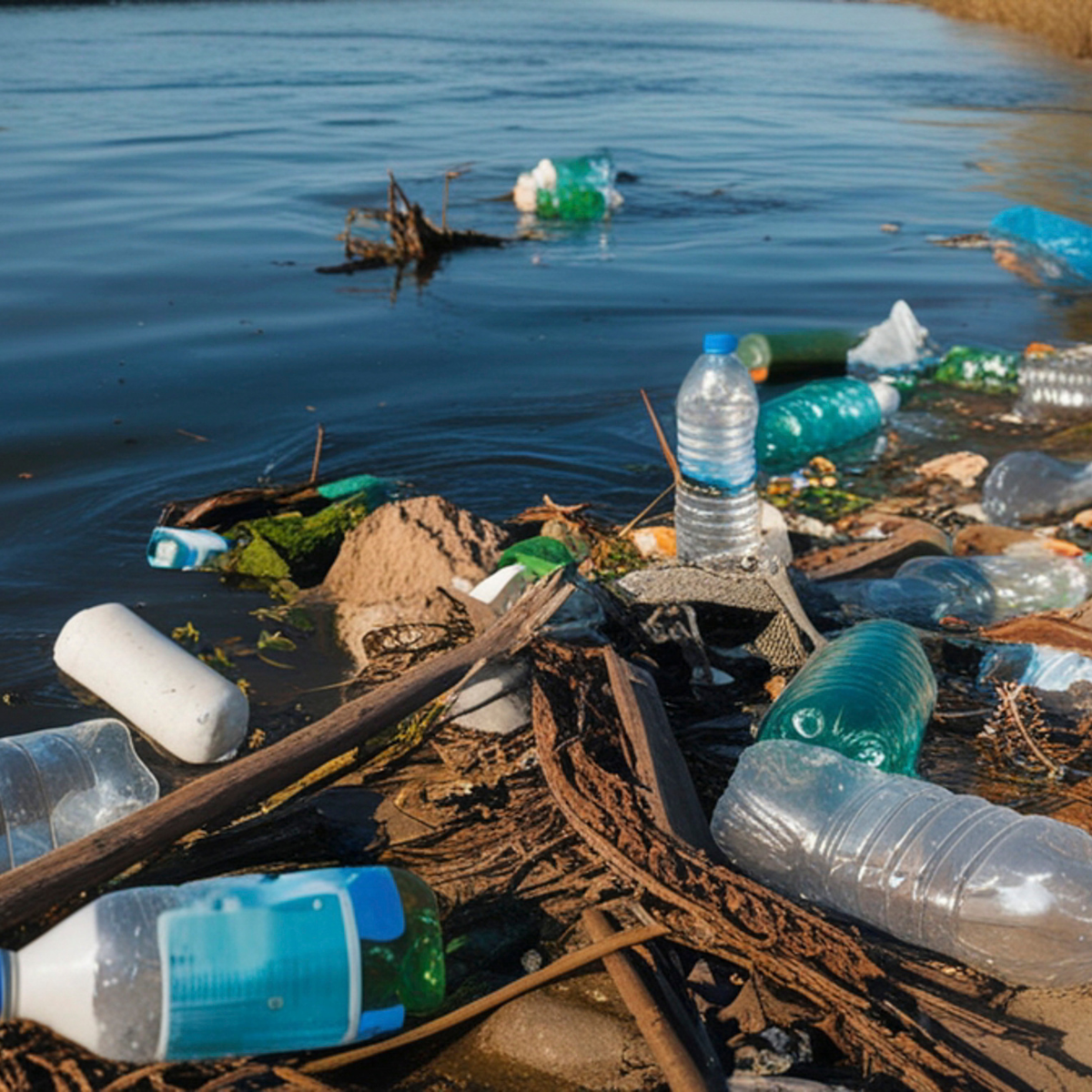
Then there’s the litter problem. Cleaning up litter costs U.S. taxpayers an estimated $17.2 billion per year, with plastic making up the majority of discarded items. Every single-use plastic cup or container left on the pavement is a cost passed on to the public.
Are compostables the solution?
If you’re thinking about swapping single-use plastic for compostable packaging, it’s worth knowing what you’re actually signing up for. When it comes down to it, compostables are still single-use. The material changes, but the usage model doesn’t—use once, then discard. Like metal containers, they’re also resource-heavy to manufacture. It takes a lot of land, energy and water to produce compostable packaging for organic materials like bamboo, bagasse, palm leaves and wood pulp.
Unfortunately, despite best intentions, some compostable packaging ends up in landfills due to user error. When compostable packaging is discarded in dumpsters headed for landfills and incinerators, this creates higher levels of methane, a greenhouse gas that’s 84 times more detrimental than CO2 over its first 20 years in the atmosphere.
Compostables seem like the greener option on the surface, but in reality, they might not be the solution you’re looking for. We’ve written a blog post you might find interesting—it’s a deeper dive into how compostables compare to plastic reusable containers.
Are reusables actually better?
Yes, but how much better depends on how they’re used.
Lifecycle assessments show that reusable plastic containers outperform single-use plastics across six key environmental metrics:
- Greenhouse gas emissions
- Water use
- Resource extraction
- Waste generation
- Litter generation
- Plastic pollution
There is a catch, however. They have to be used correctly. Let’s use the example of plastic containers. They’re made from heavier, more durable materials, so they have a larger manufacturing footprint than single-use alternatives. The reusable container has to be used enough times (the break-even point) before it becomes a more sustainable option than single-use plastic containers.
The good news is that the break-even point is relatively low—just four to 13 uses: 4 to 6 for GHG emissions and 8 to 13 for primary energy use, according to University of Michigan researchers. Beyond this point, reusable containers make environmental gains compared to single-use containers on all metrics. Over 20 uses, the energy footprint of a reusable container drops by 54% to 67%, and its global warming potential falls by 71% to 80% compared to single-use. Finally, widespread adoption of reusables could reduce solid waste by 81% compared to single-use.
How do metal containers compare to reusable plastic containers?
Stainless steel containers do offer several benefits: they’re durable, recyclable and aren’t detrimental to human health. However, they also come with trade-offs that are worth considering before deciding which container type to use.
Metal containers have a larger manufacturing footprint than reusable plastic containers. Producing stainless steel is an energy-intensive process: mining, smelting, transportation and eventual disposal all have an environmental cost. That higher upfront cost means metal containers need more uses to break even. One study found that non-insulated stainless steel’s breakeven range was 10 to 30 uses, while insulated stainless steel's breakeven range was 30 to 90 uses.
In practice, many operators appear to prefer plastic. Reusable plastic containers are more cost-efficient upfront, lighter for diners to carry, and easier to work with operationally than stainless steel. They’re also built to last: we found that most reusable plastic containers can withstand over 1,000 uses. For most reusables programs, the faster break-even point and lower operational complexity of reusable plastic make it a more practical solution.
How users interact with reusables really matters
Switching to reusables doesn’t automatically mean environmental benefits—how they’re used makes a big difference. Reusables are only better than single-use plastic when the conditions are right for them to be.
What limits the positive impact of reusable containers?
In programs where users aren’t regularly passing by drop-off points (like a restaurant that is offering a reusable to-go container program), even if just 5% of customers make unnecessary car trips specifically to drop off a container, the energy savings from reusables quickly decline due to fuel costs.
A container that isn’t returned can’t be reused, and a container that isn’t reused enough times never reaches its break-even point. Low return rates are one of the most direct ways a reusables program fails to deliver, because, for the program provider, every unreturned container essentially becomes a single-use one with a much bigger manufacturing footprint.
Heavier containers have a larger manufacturing footprint, and less durable ones are retired before they’ve reached their break-even point. A container that breaks or is thrown away after 20 uses is a very different proposition from one that lasts for over 1,000 uses.
.jpg)
What do we mean by the ‘right conditions’?
We mentioned earlier that reusables are better than single-use plastic, but it’s conditional. In this case, the ‘right conditions’ mean a system that ensures containers exceed the break-even point. So, what does that look like in practice?
- Drop-off experience: When returning a container requires no extra effort, return rates go up, and environmental and financial benefits quickly follow. The closer the drop-off point is to where users already are, the better.
- Return rate: Every percentage point improvement in the return rate means more containers completing more use cycles. A program with a 97% return rate is saving more and doing more for the environment than one with a 50% return rate.
- Container selection: A lighter container has a smaller manufacturing footprint, which means the break-even point is easier to reach. A more durable one keeps going long after that point, compounding the environmental gains with every use. The ideal container is both lightweight and durable—light enough to reach its break-even point quickly, yet durable enough to withstand hundreds or thousands of uses. Reusable plastic containers are a great option for this reason.
The bottom line: Reusables win—but they require a well-designed program
Reusable containers beat single-use plastic on every environmental metric. The real difference comes down to two things: what the packaging is made of, and what you do with it during its lifespan. Reusable plastic containers win, but only when they’re returned and reused consistently, and that requires a well-designed reusables program.
Dining teams that want to eliminate single-use spend and waste often turn to reuse but are frustrated by the lack of results and creeping costs from poorly designed programs. We’re changing that. With over 88 dining partners and an average return rate of 98%, ReusePass, our track-and-trace reusable container solution, is helping campuses and assisted living facilities across the U.S. save money and meet their sustainability goals.
Curious about what a reusables program could look like for your dining team? Let's talk.
Continue reading

A Chef's POV: Managing With the Same Precision You Cook With
Chef Chris Aquilino draws on 35 years in kitchens to unpack how culinary leadership has changed. For the chefs who thrive today, systems are just as important as skills: getting data, improving demand forecasting, and sharing the knowledge across the team.


Why Tracking Waste is Just the Start, Not the Solution
Trustworthy production data is a kitchen's foundation. But it’s what happens next—how (or if) that data is used—that really makes the difference. Most tools in-market don’t make that easy enough for foodservice operators.